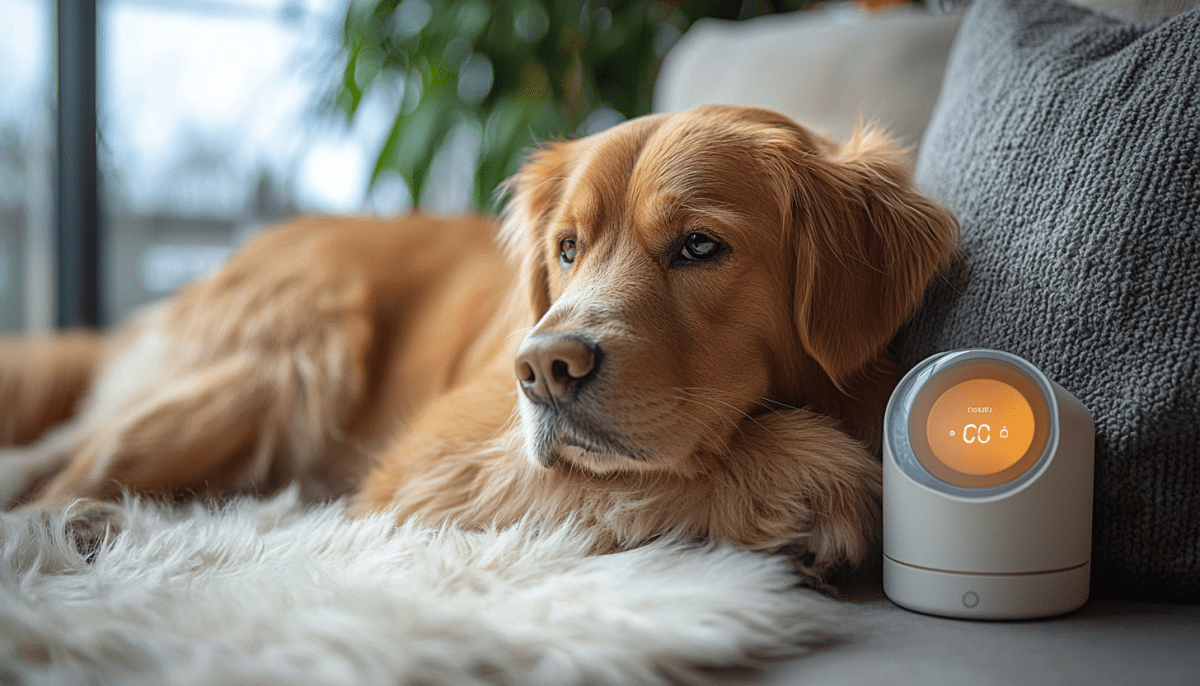
When it comes to keeping your pets happy and healthy, temperature plays a big role. Just like us, pets can get too hot or too cold. Their comfort zone is often smaller than ours, so a sudden shift in temperature can lead to stress or health issues. That’s where temperature monitors become a lifesaver!
Have you ever noticed your dog panting heavily while lounging indoors? That might be a sign the temperature is climbing too high. Cats can also feel uncomfortable in a warm house, hiding away in cooler spots. Monitoring the temperature helps you catch these changes before they become a problem. With the right gadget, you can keep an eye on your pet’s environment from anywhere.
Investing in a temperature monitor is a smart move for any pet owner. It not only helps you react to environmental changes but also shows you care. Keeping tabs on the temperature is one simple step towards a happier, healthier pet.
How Monitors Keep Pets Comfortable
Temperature monitors are like little guardians for your pets. They keep an eye on the climate, making sure your furry friends stay comfy and safe. Whether it’s a scorching summer day or a chilly winter evening, these gadgets are super helpful.
Imagine you’re at work or out running errands. You can't always be there to check the temperature in your home. That’s where a good temperature monitor steps in. It sends alerts to your phone if things get too hot or too cold. This means you can swoop in and make changes before your pet feels uncomfortable.
Some monitors even let you track temperature changes over time. This can help you spot patterns, like when your house gets the hottest during summer. Armed with this info, you can take action, like setting up fans or making sure windows are open when needed. It's all about keeping the environment just right for your pet.
Plus, many temperature monitors come with humidity readings, too. High humidity can make it feel even hotter, especially for pets with thick fur. Keeping tabs on both temperature and humidity helps ensure your pets have a stress-free and cozy space to chill.
Choosing the Right Temperature Monitor
Think about where you'll be using the monitor. Is it for your home, a kennel, or while traveling? Some monitors are designed specifically for indoor use, while others can handle outdoor temperatures and rougher conditions. If you’re often on the go, consider getting a portable option. It’s perfect for camping trips or visits to friends’ houses!
Another thing to consider is the type of alerts the monitor provides. Do you want a simple beep when temperatures get too high or low? Or maybe a smartphone app that gives you real-time updates? Some high-tech models connect to your phone, letting you keep an eye on things no matter where you are. That peace of mind can be a game changer.
Also, think about ease of installation. You want something that sets up easily and doesn’t require a degree in engineering to understand. A good monitor should come with clear instructions and be ready to go right out of the box. If you’re not tech-savvy, avoid complicated gadgets that will just frustrate you.
Finally, read reviews! Other pet owners share valuable insights about what works and what doesn’t. Look for monitors with solid ratings and happy customers. This can help you avoid products that maybe look good on paper but fall short in real life. Your pet's safety is worth the effort!
Tips for Using Temperature Monitors
Using temperature monitors for your pets can really make a difference in their wellbeing. Here are some tips to get the most out of these gadgets:
1. Choose the right spot: Place the monitor in an area where your pet spends the most time. This is usually where they'll feel the climate's effect the most. If your pet hangs out in a specific room, make sure the monitor captures that temperature accurately.
2. Sync with your phone: Many modern temperature monitors allow you to connect to a smartphone app. This way, you can check the temperature from anywhere. Set up alerts for temperature changes too! You don't want to be caught off guard.
3. Regularly check the readings: Get into the habit of checking the temperature throughout the day. This will help you spot any patterns and make adjustments if needed. If your monitor has a history feature, use it to track temperature changes over time.
4. Be proactive: If you notice the temperature is too high or too low, take action right away. Adjust the heater or air conditioning, open a window, or use fans to keep your furry friend comfy and safe.